
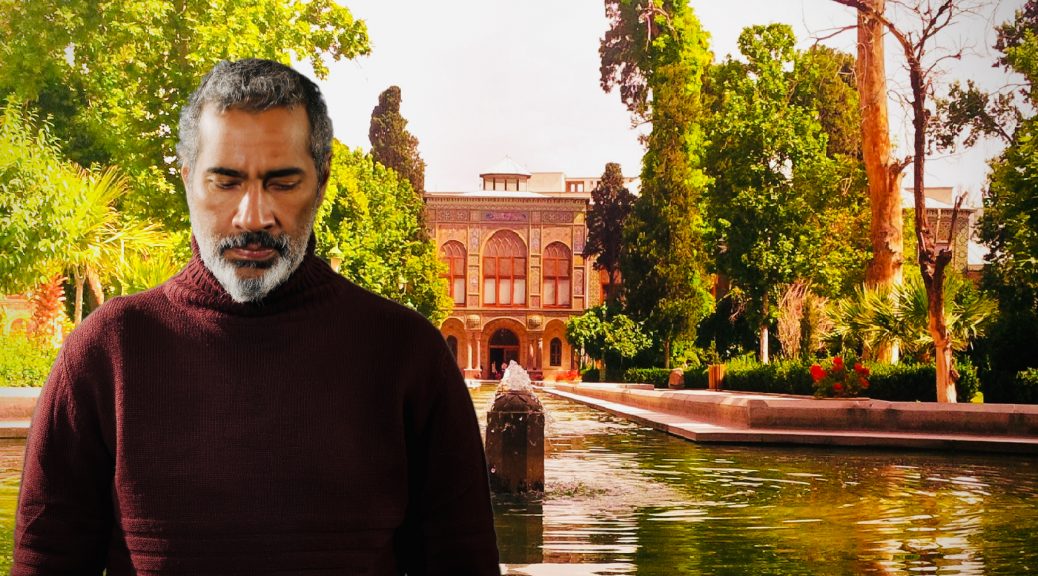
Biography
Mohamed Kenawi is an Egyptian-born producer and director based in Rome, where he lives and works.
His academic background was shaped between the Arab and European worlds. He studied Italian History and Literature at Ain Shams University in Cairo before moving to Italy, where he continued his education in screenwriting and directing at various film schools and institutes in Rome. Alongside his film studies, he pursued research in contemporary European history and literature through academic projects carried out in collaboration with Italian universities and research centres.
His Arab and Mediterranean roots, combined with many years of life in Europe, have profoundly shaped his intellectual outlook and artistic choices. His work focuses on observing European societies at their points of intersection with the Arab and Islamic worlds—through dialogue, tension, and mutual misunderstanding.
This interest is reflected in his documentary films, which explore historical and contemporary figures, as well as cultural, religious, and political issues, understood as shared spaces between two worlds often perceived as distant, yet in reality deeply interconnected.
Mohamed Kenawi adopts an approach grounded in neutrality and objectivity, avoiding both glorification and condemnation. He believes that flaws and contradictions affect all individuals and societies alike. The primary aim of his work is not to pass judgment, but to understand diverse human experiences, learn from them, and transform knowledge into a shared space for dialogue rather than confrontation.
From 2003 to 2006, he worked as an assistant producer at the Orbit satellite television network, during the period when its headquarters were based in Rome.
Since 2006, he has been producing documentary films and programs through Domino Film, the production company he founded.
Through Domino Film, and in his roles as writer, director, and producer, he has created a series of documentaries exploring themes of cultural pluralism, ethnic minorities, and human rights, with a strong focus on lived human experiences and marginalised narratives.